 In the case of the June 17th collision of the USS Fitzgerald with an MV Crystal cargo ship, the Navy cited the "poor seamanship" of the officer on deck and others who failed to maneuver, raise alarm, notify his commanding officer, or even radio the crew of the Crystal. The result was the deaths of seven sailors. While the Crystal also failed to take action, the Navy accepted the brunt of the blame because its sailors proved themselves to be unprepared and deficient in their training. On August 21st, the USS John S. McCain collided with a merchant vessel, killing ten men this time. The Navy report cited similar failures in ship's operation, following international maritime procedures, and "situational awareness."
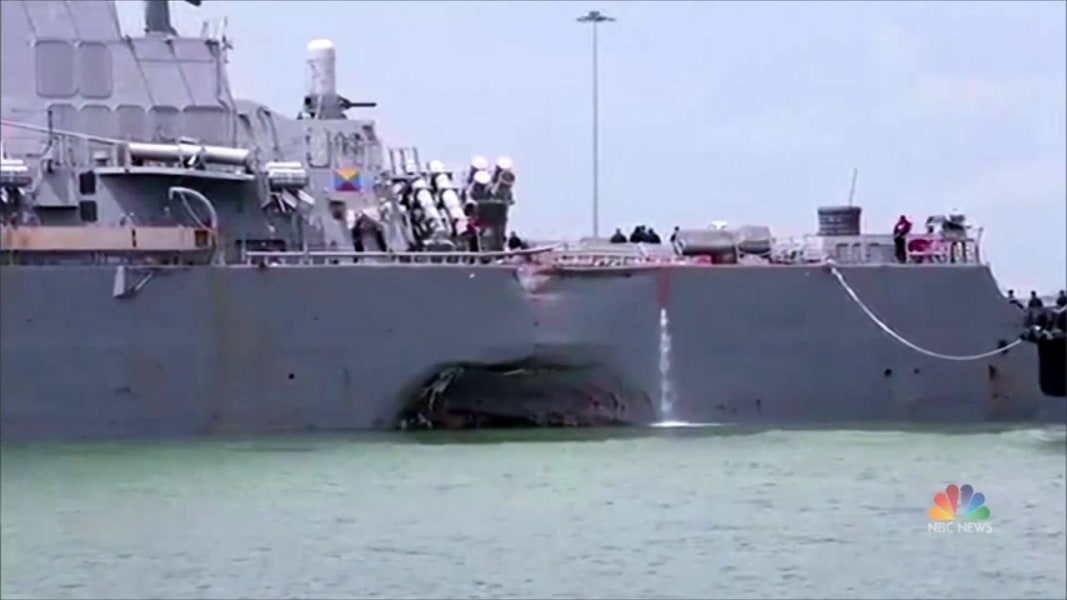 Both collisions resulted in senior officers being relieved of duty and lower officers being reprimanded in varying degrees. Republican Senator Ben Sasse took advantages of these events and spoke out about the military being underfunded and that it was the cause of the lack of "training, readiness, and maintenance" at the heart of these tragedies. But why is this all relevant now? The answer is twofold but it looks like Senator Sasse may be granted both of his wishes.
First: this week the Navy released word that, in response to these collisions (it mentions only the USS Fitzgerald by name), it has formed the Readiness Reform and Oversight Council (RROC). Its purpose is to ensure the Navy makes changes to prevent future (very avoidable) tragedies like these and will be expanding its scope in order to oversee and enforce the roll out of new readiness strategies.
Second: also this week, news hit of the Navy's proposed 2019 budget- and it's big. $686 billion to be exact and with it hopes to get back to what James Mattis called, it's "position of primacy." It's goal is to have "more sailors, more pay and higher incentives for those joining the service or staying in," which they defined as around 7,500 more sailors and a 2.6% pay increase over 8 years. It cites the lower national unemployment rate (aka other job options) as the need for the Navy to step up their game and make enlistment more appealing: a new ad campaign (launched in December) and more incentives to join and stay. It should be noted that nothing is concrete, not even the Navy's 2018 budget, but as it stands it seeks to end the former focus on "asymmetric warfare" and slow the alarming tempo that the military has been functioning since 9/11. If Sasse's theory is correct (and in some proportion it may be), then the budget increase and change in oversight of Navy might just solve the failings that were exposed last summer and save lives.


 Posts
Posts

